

10 reasons to turn your e-shop into a mobile app
- What are the differences between the web version of an e-shop and a mobile app?
- How does a mobile app increase sales?
- What does a mobile app cost?
What are the differences between the web version of an e-shop and a mobile app?
Some online store owners may wonder: “The web version of my e-shop is responsive and adapts quite well to mobile phones and tablets, so why would I need a mobile app as well?”
You need the mobile app because it performs (and sells) far better than the responsive web version, for the following reasons:
Higher conversion rate
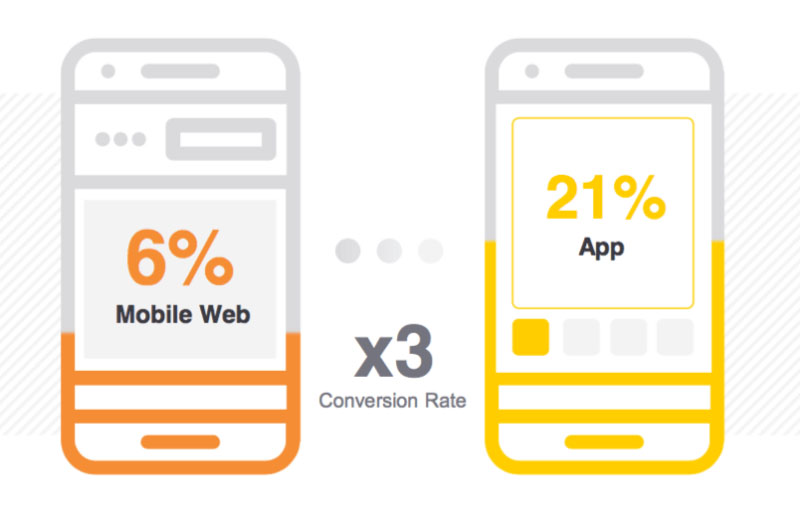 According to official global statistics, an e-shop's mobile app has a conversion rate 3 times higher than its web version (conversion rate = the percentage of visitors who go on to make a purchase).
Bigger purchases
Mobile apps see bigger purchases in volume per order. Users tend to buy more products through a mobile app. Another sign of this is that visitors spend twice as long in the app as they do on the web version.
Fewer abandoned baskets

Mobile apps have far fewer abandoned carts, meaning cases where the user adds one or more products to the cart but never actually places the order. For most e-shops, the abandoned cart is the number one problem. A mobile app shrinks that problem.
The big weapon: push notifications
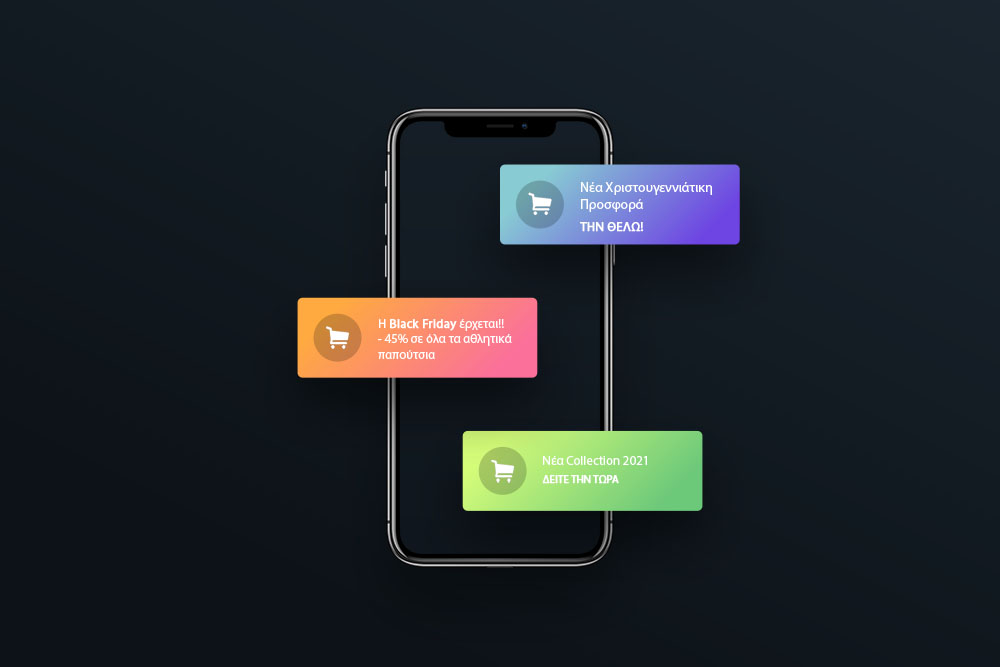
The notifications sent by mobile apps are among the most successful ways for a business to communicate with a user. They are 3 times more likely to be opened than an e-mail. In other words, they create an effective communication channel with your e-shop's users. They also cost next to nothing!
Picture a common scenario: a visitor comes to your online store and leaves a little later (whether they bought something or not). What will it take to bring that same user back to your e-shop? Advertising on Facebook through the Pixel, advertising on Instagram, social media posts in the hope that they reach the same visitor, Google Ads, e-mail marketing and much more… So you may well spend a fair amount of money and energy to get them to come back (if you manage it at all).
With notifications you can tell them, at no cost, about your e-shop's new offer, the new products that have just arrived or anything else you need to communicate.
You gain a significant competitive advantage over your competitors
You strengthen your brand and stand out from competing businesses that have no mobile app for their store.
...and if the numbers and statistics have not convinced you, consider this:
If I had to single out the most important advantage of a mobile app over the web version of an e-shop, I would choose the better experience the user enjoys inside an app. The better the user's experience inside the online store, the more likely they are to make a purchase.
The same could be said of the physical world: you walk into a shop that looks nice, smells nice, presents its products well and has polite, helpful staff. So it gives you a good experience. It makes sense that you are then more likely to buy.
But what does a 'good user experience' mean in the digital world, and why does the mobile app come out ahead?

Faster browsing
Users really dislike long waits. If the page has not loaded within 3 seconds, the user will most likely leave. A mobile app (and whoever builds it) can guarantee you fast browsing.
Easier browsing
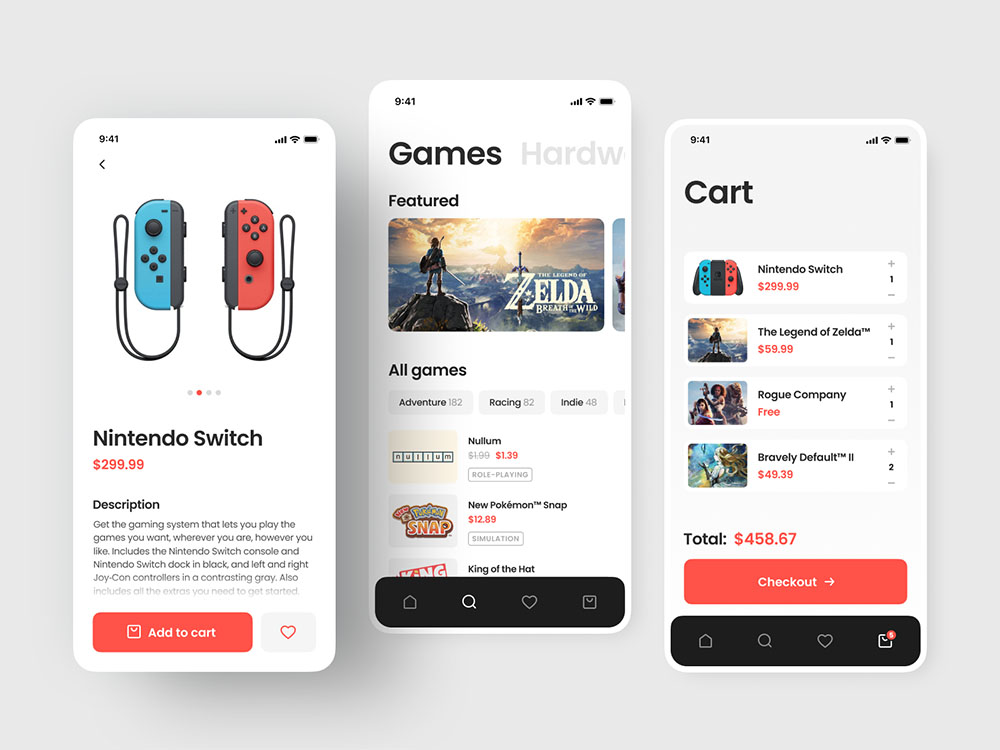
With a mobile app, things get considerably easier for the user. More legible text and buttons (Add to cart, Checkout etc.), a simpler menu (Account, Favourites and so on) and fewer steps to reach the order, which matters a great deal for sales.
Saved information
Users log in once and stay logged in, even if they leave and come back another day. That means any wishlist or similar preferences stay saved.
Personalised experience
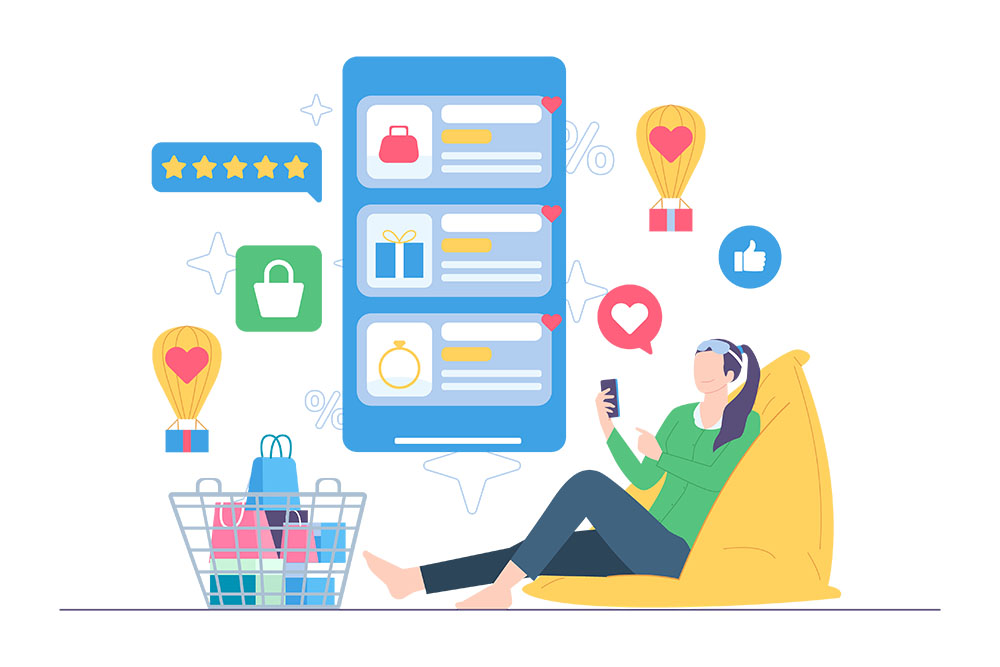 Depending on each user's behaviour and preferences, you can serve the right content to each one individually. That is how you win more loyal customers.
In conclusion
Building a mobile app for your online store is certainly an investment that can take your business up a level. With 73% of global e-shop turnover now coming from purchases on mobile devices (up from 59% in 2017), a mobile app has become especially important.
Get started now with your own idea. See the way we build our apps, as well as the finished mobile apps we have already built.