

How can a mobile app make money?

Have you heard of the mobile app called Bumble? Probably not, because the company does not operate in Greece. Yet Bumble turned over around 500 million dollars through its mobile app in 2020.
- How did a mobile app come to make that much money?
- What are the ways to make money through an app?
There is a specific set of ways, and below we look at the most popular ones. First, let's get a common question out of the way:
Can I make money by charging users to download my mobile app?
This model is "dead" (if it ever really existed). Today 98% of apps are free to download and install. Any purchase is made from inside the app.
1. In-app advertising
Typical examples
Any mobile app with enough visitors can carry ads from Google or from other companies and sponsors. That of course includes social media, news websites and so on.
A classic and direct way to make money is to show ads at specific places inside the app. These ads can take the form of banners, videos or native articles.
One of the advertisers can be Google, which automatically places its ads in the spots you define. The catch in this case is that Google pays very little, so you will need hundreds or even thousands of user views to generate a worthwhile amount each month.
Alternatively, you could feature a business you have agreed to promote with a banner or a dedicated article about it.
2. Subscriptions
Typical examples
Netflix and Spotify use the subscription model to provide their services and access to their content.
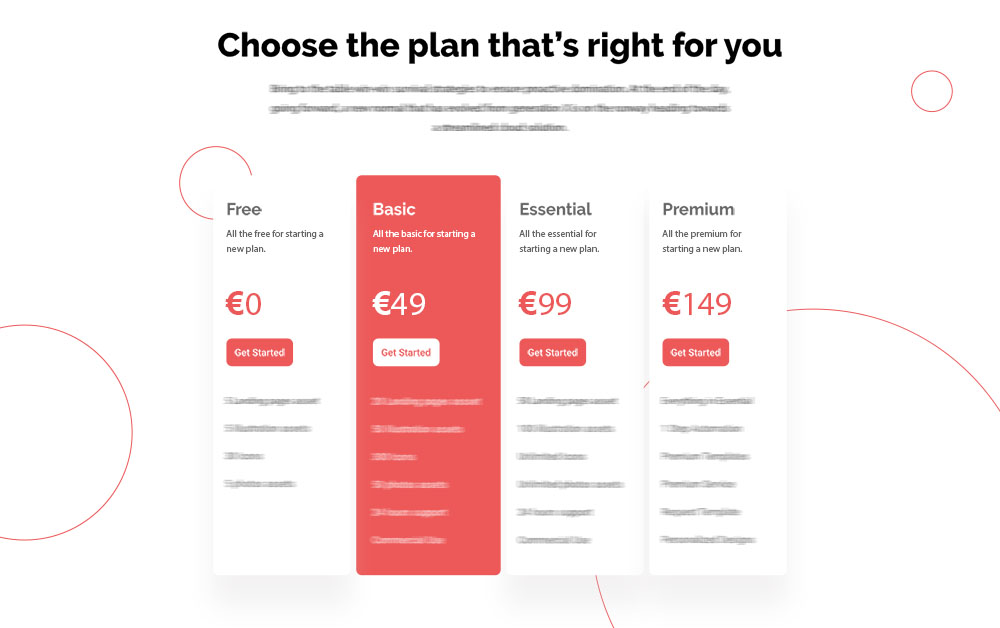 An equally common way to make money from a mobile app is subscriptions. The app delivers a regular stream of content and the user pays by the week, month or year to have access to it (exactly the way Netflix works on your TV). These apps usually follow the so-called freemium model: they offer part of their content for free, with the option to buy or subscribe in order to 'unlock' the premium content.
3. Selling physical goods or services
Typical examples
Any online store, a taxi-hailing service, dating apps and many more.
The range here is huge: from selling shoes, toys or furniture to medical, beauty, education and dating services, and so many others.
4. Platform (intermediary)
Typical examples
Wolt, AirBnB, Amazon, e-food, Skroutz
One of the most successful and popular models is the intermediary platform that acts as a seller or agent. Some of the best-known companies are Booking.com, AirBnB, e-food and Uber. These platforms connect the end consumer with the business, providing services such as order taking, hotel booking, taxi hire and so on. These apps earn their revenue from the commission they receive on every successful transaction.
5. In-app purchases
Typical examples
Fortnite, Minecraft
This can be seen as a subcategory of selling goods or services, or of the subscription method. Here, however, we mean mobile apps that offer virtual services for purchase. Games are the typical example: the user pays to unlock levels or to get premium features.
6. A combination of 2 or more methods
Typical examples
YouTube: it earns money from advertising but also offers subscription services to its users.
A mobile app could combine two or more ways of making money, for example in-app advertising together with subscription services.
"In what ways can I accept payments in my app?"
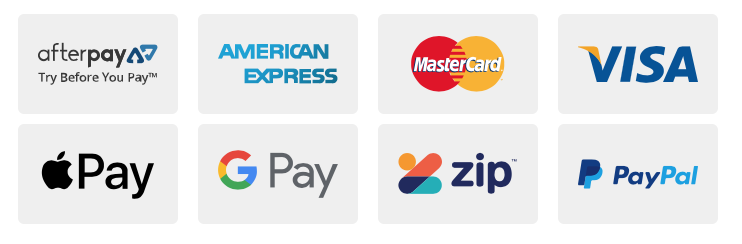
The best-known payment methods are Google Pay, Apple Pay, PayPal and Stripe, as well as bank payments by credit or debit card (and many more, even cryptocurrencies). Each service has its advantages and disadvantages, and the fee charged per transaction differs from one service to another. Even so, the differences between them are now very small. We usually choose 2-3 payment methods.
In conclusion
We have covered the most important ways of making money from a mobile app. There are certainly other, less popular ways too (e.g. crowdfunding). If you want to turn your own idea into reality and get your own app, first see what you need in order to be fully prepared and organised. You can also work out the cost of the app with our cost calculator.